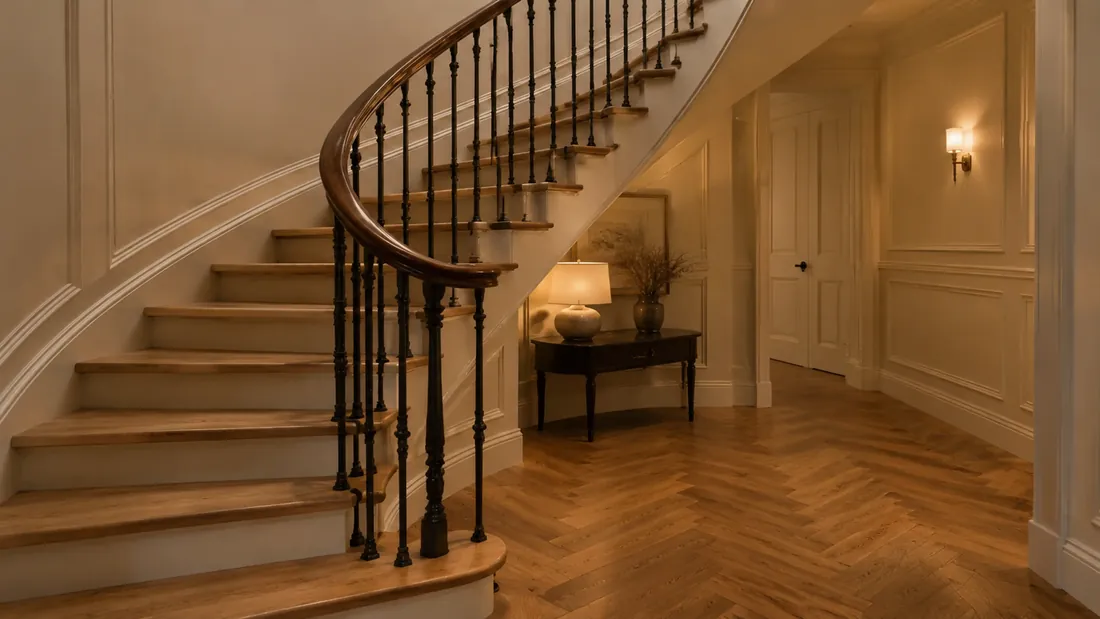
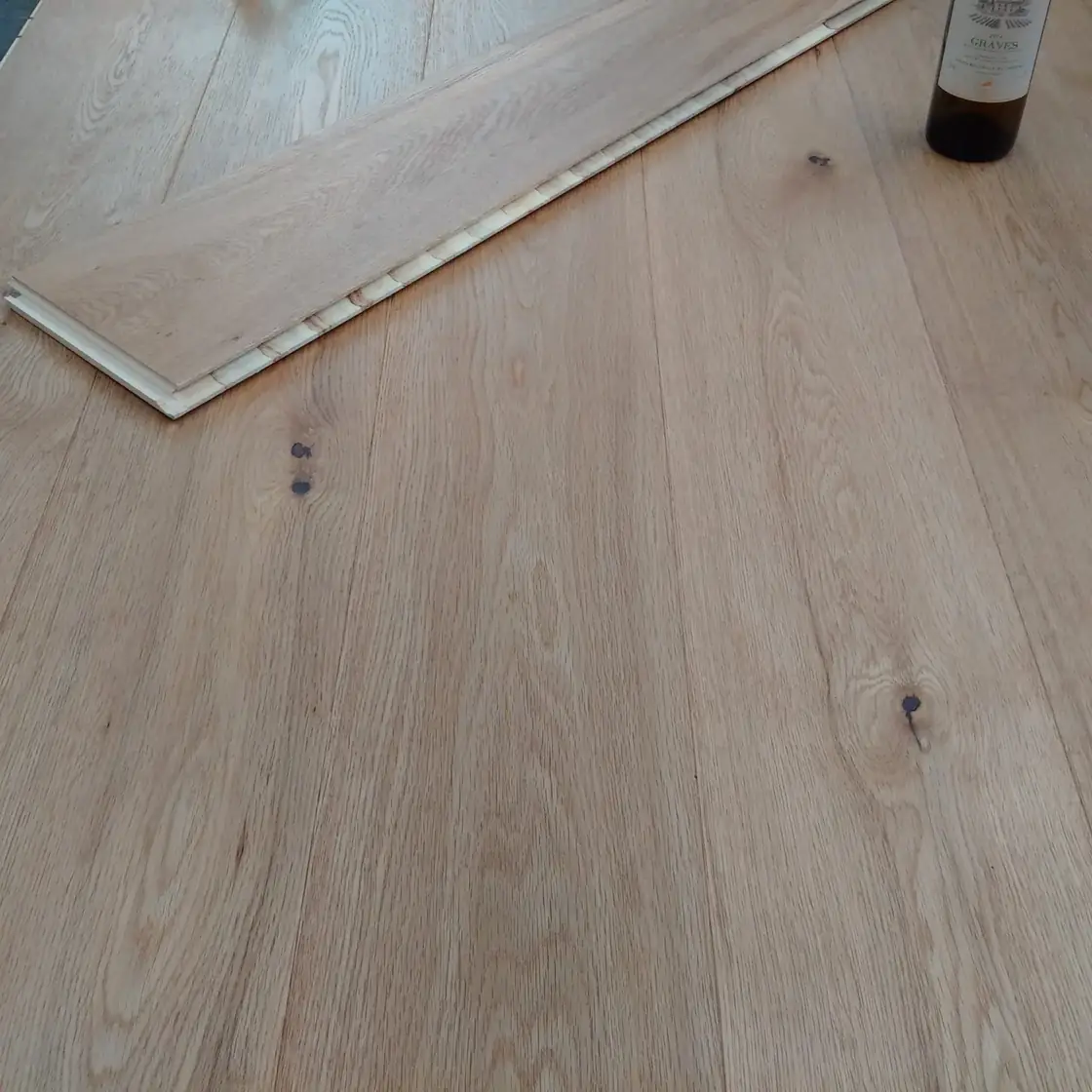
Hardwax oil or lacquer? How each looks, how it wears, how you look after it, and which we recommend for kitchens, hallways and bedrooms.
Oil: natural look, easy repairs
Hardwax oils soak into the timber and harden within it, leaving a matt, natural surface that shows the grain and feels like wood. Scratches and marks can be spot-repaired without redoing the room, and a maintenance coat every year or two keeps it fed.
Lacquer: harder surface, less upkeep
Lacquer (sometimes called varnish) sits on top of the wood as a film. Modern water-based lacquers are tough, available in matt to satin sheens and need very little maintenance. Deep scratches are harder to repair invisibly, so when the finish eventually wears through, the floor is usually re-sanded.
Which rooms
We often recommend lacquer for kitchens, hallways, rentals and homes with large dogs, and oil for living rooms and bedrooms where the look matters most. Both can be tinted to change the colour of the floor.
Invisible and UV-oiled finishes
Many floors in our collection come pre-finished with 'invisible' lacquers that keep the raw, unfinished look of bare oak, or UV-cured oils that are tougher than site-applied oil. Both are good options if you want a very natural look with minimal upkeep.
Questions
Can I change from oil to lacquer later?
How do I clean an oiled floor?
Updated 2026-10 · 4 min read · by the BAJ Flooring family