The honest difference between engineered and solid wood floors — stability, underfloor heating, sanding and cost — from a London fitter's point of view.
Both are real wood
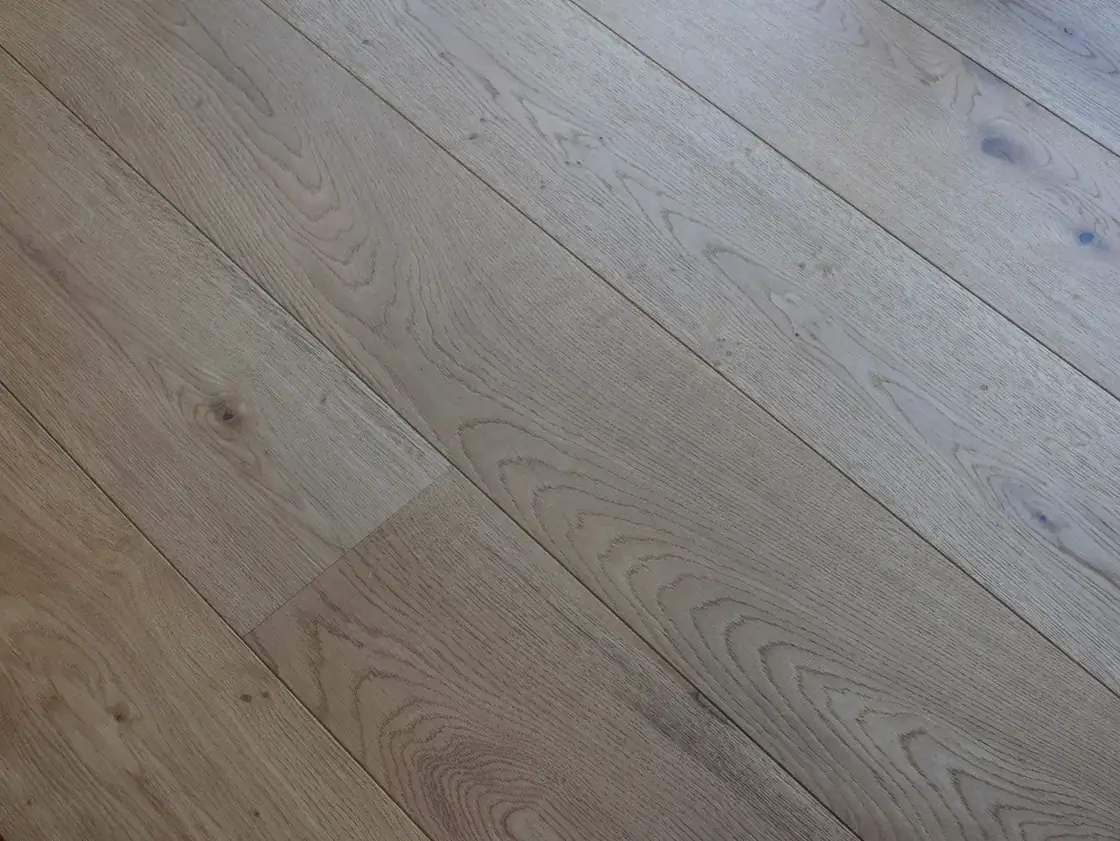
Engineered flooring is a layer of real oak (or walnut, or ash) bonded to a plywood or multi-layer base. Solid is one piece of timber all the way through. Walk on a good engineered floor and you won't tell the difference — the surface is identical.
Why we fit engineered more often
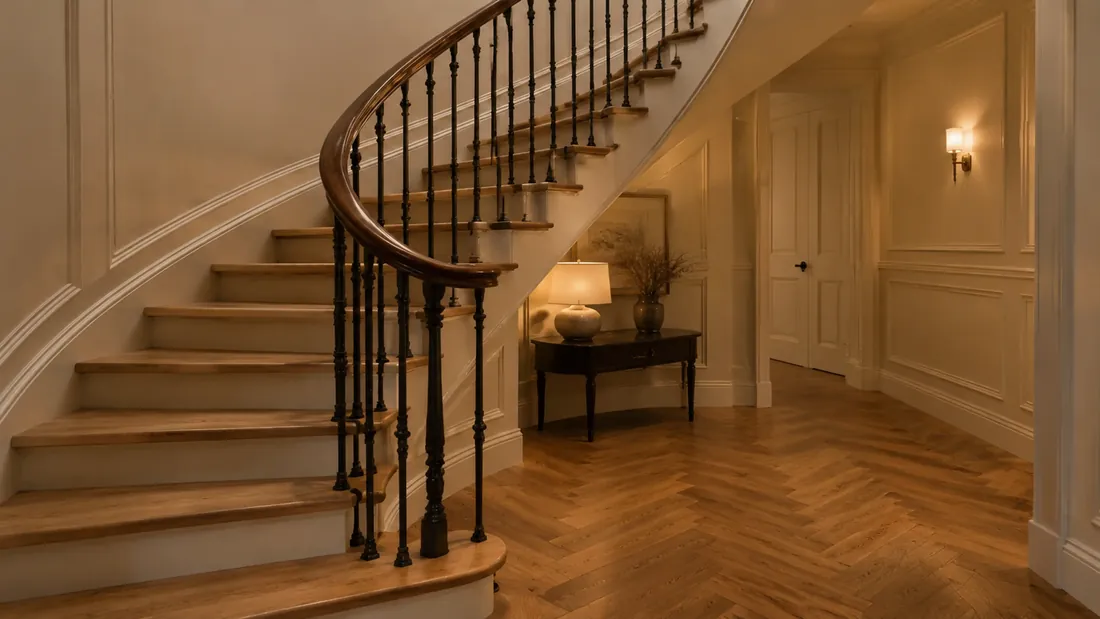
Timber moves with humidity. A solid board swells and shrinks across its width through the year; an engineered board's cross-laid base holds it stable. That matters a lot in London homes with underfloor heating, wide planks, herringbone patterns or concrete subfloors — all situations where we recommend engineered.
- Stable over underfloor heating
- Available in wider boards and longer lengths
- Can be glued to concrete and screed
- Thick wear layers (4–6mm) can be sanded several times
When solid still makes sense
Solid wood suits traditional installations onto timber joists or plywood in rooms with steady humidity. It feels substantial and can be sanded many times. We'd avoid it over underfloor heating, in basements and in bathrooms or kitchens with a lot of moisture.
Cost
Prices overlap more than people expect. Premium engineered floors with thick wear layers cost as much as solid; entry-level engineered costs less. The fitting method and subfloor preparation often matter more to the final price than the choice between the two.
Questions
Does engineered wood last as long as solid?
Can you tell engineered from solid once it's fitted?
Updated 2026-10 · 5 min read · by the BAJ Flooring family